Unveiling the Pillars of Small Business Insurance: A Guide to Essential Coverage
In a business world filled with uncertainties, wouldn't it be reassuring to have a safety net? From property damage to employee accidents, small businesses face a myriad of risks. That's where small business insurance swoops in—a guardian angel protecting your enterprise from financial devastation, ensuring your dreams stay afloat.
Beyond safeguarding against financial blows, small business insurance grants peace of mind. No longer will you be tossing and turning at night, worrying about potential disasters. Instead, you'll rest easy, knowing that your business is shielded from the unforeseen.
So, what exactly does small business insurance cover? It's like a protective shield, safeguarding your business against a wide array of perils:
Property damage: Fires, floods, vandalism, you name it—your business premises and equipment are secured.
Liability coverage: Accidents happen. If someone gets injured on your property or due to your business operations, you'll be shielded from legal claims and medical expenses.
Business interruption: Unexpected events like natural disasters or equipment breakdowns can halt your operations. Business interruption insurance ensures you keep the cash flowing even when things hit the pause button.
Employee coverage: As a responsible employer, you want to protect your team. Small business insurance covers workers' compensation, safeguarding you against claims related to work-related injuries or illnesses.
Professional liability: If you provide professional services and make a mistake, professional liability insurance has your back, protecting you from claims alleging negligence or errors.
In essence, small business insurance is an investment in your business's future, a beacon of hope amidst the stormy seas of uncertainty. It's a smart, proactive move that can save you from financial ruin and keep your business thriving, even in the face of unforeseen challenges.
Heading 1: The Significance of Small Businesses Insurance
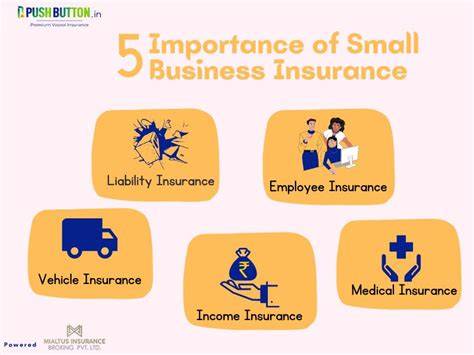
Introduction: In the dynamic and ever-evolving global economy, small businesses serve as the lifeblood of communities, fueling economic growth and employment. However, these businesses often face unique challenges and risks that can threaten their stability and viability. Small businesses insurance plays a crucial role in addressing these risks, providing a safety net to protect against unforeseen events and financial losses. This comprehensive guide delves into the significance of small businesses insurance, highlighting its benefits and the various types of coverage available.
Heading 2: Understanding the Risks Faced by Small Businesses
Small businesses navigate a complex landscape fraught with potential risks that can jeopardize their operations and financial well-being. These risks can stem from various sources, including:
a. Property Damage: Accidents, natural disasters, and vandalism can cause significant property damage, leading to costly repairs or replacements.
b. Liability: Legal obligations arising from injuries or damages caused to third parties can result in substantial liability claims.
c. Business Interruption: Unforeseen events, such as fires or floods, can disrupt business operations, leading to lost revenue and potential closure.
d. Employee-Related Issues: Workplace accidents, discrimination claims, or employee dishonesty can have severe financial implications for small businesses.
Heading 3: The Benefits of Small Businesses Insurance
Small businesses insurance offers a range of benefits that help mitigate risks and protect against financial losses:
a. Peace of Mind: Knowing that your business is insured provides peace of mind, allowing you to focus on growth and innovation.
b. Risk Management: Insurance helps manage and transfer risks, reducing the likelihood of financial setbacks due to unforeseen events.
c. Financial Protection: In the event of a covered loss, insurance provides financial compensation to cover costs, preventing business disruption.
d. Compliance: Certain types of insurance, such as workers' compensation and disability insurance, may be required by law.
e. Enhanced Credibility: Having insurance demonstrates professionalism and responsibility, boosting your credibility among clients and partners.
Heading 4: Types of Small Businesses Insurance
The insurance landscape offers a wide range of coverage options tailored to the specific needs of small businesses:
a. Property Insurance: Protects against physical damage to your business premises, inventory, and equipment.
b. Liability Insurance: Covers your legal liability for injuries or damages caused to third parties due to your business activities.
c. Business Interruption Insurance: Provides financial compensation for lost income and expenses incurred during business interruptions caused by covered events.
d. Employee-Related Insurance: Includes workers' compensation, disability insurance, and unemployment insurance, protecting your employees and your business from work-related risks.
e. Professional Liability Insurance: Specifically designed for professionals, this insurance covers claims arising from errors or omissions in services provided.
Heading 5: Choosing the Right Insurance Policy
Selecting the appropriate insurance policy for your small business requires careful consideration of several factors:
a. Assess Your Risks: Identify and evaluate the specific risks your business faces to determine the coverage you need.
b. Choose the Right Coverage: Match your insurance needs with the available coverage options to ensure comprehensive protection.
c. Consider Your Budget: Insurance premiums can vary widely, so it's essential to find a policy that fits your budget while providing adequate coverage.
d. Work with an Insurance Agent: Consult with an experienced insurance agent who can guide you through the process and help you tailor a policy to your unique requirements.
Heading 6: Managing Insurance Costs
Minimizing insurance costs without compromising coverage is essential for small businesses:
a. Bundle Policies: Combine multiple insurance policies with the same provider to often receive discounted rates.
b. Consider Deductibles: Choosing a higher deductible can lower your premiums, but ensure you can afford the deductible amount in case of a claim.
c. Implement Risk Management Strategies: Invest in preventive measures, such as security systems and regular maintenance, to reduce the likelihood of claims.
d. Shop Around: Compare quotes from multiple insurance providers to find the best coverage at the most competitive price.
Heading 7: Filing a Claim
In the unfortunate event of a covered loss, follow these steps to file a claim:
a. Contact Your Insurance Company: Immediately notify your insurance company about the incident, providing as much detail as possible.
b. Gather Documentation: Collect relevant documentation, including photos, receipts, and any other evidence supporting your claim.
c. Work with Your Adjuster: Your insurance company will assign an adjuster to assess the damage and determine the amount of your claim.
d. Review the Settlement Offer: Once the adjuster has completed their assessment, they will provide a settlement offer. Review the offer carefully to ensure it covers the actual costs of the loss.
Heading 8: Conclusion
Small businesses insurance is an invaluable tool for protecting your enterprise against unforeseen risks and financial setbacks. By understanding the benefits and types of coverage available, you can choose a policy that meets your specific needs and provides peace of mind. With insurance coverage, you can focus on growing your business and achieving long-term success.
FAQs:
1. What are the most common types of insurance for small businesses? Property insurance, liability insurance, business interruption insurance, and employee-related insurance are some of the most common types of insurance policies for small businesses.
2. What factors should I consider when choosing an insurance policy for my small business? Assessing your risks, choosing the right coverage, working with an insurance agent, and considering your budget are key factors to consider when selecting an insurance policy for your small business.
3. How can I minimize the cost of my small businesses insurance policy? Bundling policies, considering higher deductibles, implementing risk management strategies, and shopping around for quotes are effective ways to minimize the cost of your small businesses insurance policy.
4. What should I do if I need to file a claim under my small businesses insurance policy? In the event of a covered loss, contact your insurance company immediately, gather relevant documentation, work with your adjuster, and review the settlement offer carefully.
5. How can I ensure that my small businesses insurance policy is up-to-date and meets my changing needs? Regularly review your insurance policy, conduct risk assessments, and work with your insurance agent to adjust your coverage as your business evolves and your needs change.
